BISP E-Katcheri 2026: raise your complaint live by phone
Speak to the BISP chairperson in the live E-Katcheri complaint session
The BISP E-Katcheri gives a beneficiary a direct phone line to the BISP chairperson and senior officers for an unresolved complaint. BISP runs the electronic katcheri as a live grievance session, and callers describe blocked payments, deductions, and survey problems in their own words. This guide serves every BISP beneficiary in Pakistan whose complaint has stalled at a payment point, a helpline queue, or a tehsil office desk. However, most callers miss the session because BISP announces each date only a few days in advance, and unprepared callers lose their slot. I have explained the full process in a very easy manner, from the announcement to the follow-up after the call. Read the steps below and join the next session ready.
Table of contents
- What the BISP E-Katcheri session is
- How BISP announces E-Katcheri dates
- How to join a live E-Katcheri session
- Documents and details to keep ready before the call
- Complaints the E-Katcheri typically resolves
- What to do after the session
- Fallback options when a caller misses the session
- Frequently asked questions
- Key points to remember
What the BISP E-Katcheri session is
The BISP E-Katcheri is a live phone-in grievance session in which the BISP chairperson or the BISP secretary takes calls directly from beneficiaries. The word katcheri comes from the traditional open court where citizens present grievances to an authority, and the electronic version moves that court onto a phone line. BISP introduced the format to shorten the distance between headquarters and the beneficiary.
Five BISP press releases in 2026 describe E-Katcheri sessions, according to a review of the 2026 press archive. The BISP secretary held a live E-Katcheri session on October 10, 2026, and senior officers fielded beneficiary complaints during the session. Each session focuses on live cases rather than policy announcements.
How BISP announces E-Katcheri dates
BISP announces each E-Katcheri date on its verified Facebook page and through official press releases. The announcement carries the session date, the time window, and the dedicated phone number for that session. A beneficiary checks the verified BISP page in the days around a rumored session and trusts only the announcement on an official channel.
Verify every announcement on the official BISP website before the session day. Fake pages copy the BISP name and post false session numbers, and a call to a fake number exposes the CNIC details of the caller. BISP does not follow a fixed monthly calendar for the sessions. Announcements arrive a few days before the session, so a beneficiary who checks the official channels weekly catches every session.
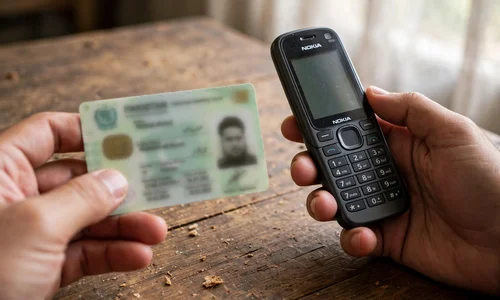
How to join a live E-Katcheri session
Here is how to join a live session step by step.
- Read the official announcement and note the session date, time window, and phone number.
- Keep the CNIC, the registered mobile number, and the complaint details beside you before the window opens.
- Dial the announced number at the start of the time window, because the lines fill fast.
- State the CNIC number, the registered mobile number, and the complaint in one short, clear sentence when the officer answers.
- Write down the complaint or reference number the officer gives and repeat it back for confirmation.
The officer either resolves the complaint on the call or forwards it to the relevant BISP department with a reference number. The beneficiary receives the next step before the call ends.
Documents and details to keep ready before the call
A prepared caller keeps the original CNIC, the registered mobile number, and the survey or household slip ready. The caller also writes the complaint in two lines: what went wrong, and which quarter or payment it concerns. A caller with a deduction complaint notes the exact deducted amount and the payment point.
The caller keeps a pen and paper beside the phone. The officer may give a reference number, a department name, or a follow-up date, and the caller loses the benefit of the session without a written record.
Complaints the E-Katcheri typically resolves
The session handles individual beneficiary grievances, not policy questions. Callers raise blocked or stopped payments, biometric verification failures, deductions by payment agents, wrongful ineligibility flags, and survey record errors. The session also takes complaints about the Social Protection Wallet and the dedicated SIM registration. A caller with a payment that never arrived reads our payment not received guide first, because the session resolves the case faster when the caller names the exact block.
The list below shows the complaint types that reach resolution most often in these sessions.
- Blocked or stopped quarterly payments
- Deductions by retailers or agents at the payment point
- Biometric verification failures at withdrawal
- Wrongful ineligibility or record errors after the dynamic survey
- Social Protection Wallet SIM registration problems
What to do after the session
The beneficiary saves the reference number and the name of the department that took the case. The beneficiary then follows up at the tehsil office after the date the officer gave, carrying the CNIC and the reference number. Our tehsil office guide lists the counters that handle complaint follow-ups and the documents each counter asks for.
The beneficiary also confirms the payment status on the 8171 portal with the CNIC number. The complaint moves forward only when the beneficiary tracks it, and an untracked follow-up stalls the case.
Fallback options when a caller misses the session
A beneficiary who misses the session still has three official routes. The BISP helpline at 0800-26477 takes complaints by phone. The tehsil office takes written complaints at the grievance counter. The 8171 SMS service confirms the payment and eligibility status on the registered mobile number. Our complaint helpline guide explains the call flow, the information the helpline asks for, and the escalation steps when the first call fails.
The beneficiary keeps the same documents ready for every route. A missed session costs one opportunity, not the complaint itself.
Frequently asked questions
Is there a fixed monthly date for the E-Katcheri?
No. BISP announces each session separately on its verified Facebook page and in press releases. The programme follows no fixed monthly calendar, so a beneficiary checks the official channels regularly.
Does the E-Katcheri replace the BISP helpline?
No. The session adds a direct line to senior officers for hard cases. The helpline at 0800-26477 remains the everyday route for routine complaints and status checks.
Does every caller reach the chairperson?
No. Call volume exceeds the available slots in every session. Officers screen the calls, and some complaints go to department heads for resolution instead.
Can a caller raise a complaint for another person?
No. BISP verifies the CNIC of the caller and links each complaint to the caller record. Each beneficiary raises the complaint from the registered mobile number on the household record.
Does the session charge a participation fee?
No. BISP runs the E-Katcheri as an official grievance forum with no participation fee. The caller uses only the phone number in the official announcement.
Does the officer resolve the complaint on the same call?
Yes. The officer resolves record-level issues on the call itself. Complex cases receive a reference number and a follow-up date for the relevant department.
Key points to remember
- BISP announces each E-Katcheri date, time window, and phone number on its verified Facebook page and in press releases.
- The session takes live calls from beneficiaries about individual grievances.
- A caller keeps the CNIC, the registered mobile number, and a two-line complaint note ready.
- The caller writes down the reference number before ending the call.
- A missed session still leaves the helpline at 0800-26477, the tehsil office, and 8171 as open routes.
Still waiting on a payment after the session? Read our payment not received guide to name the exact block before the follow-up call.