Punjab plans digital checkpoints to catch token tax defaulters near Safe Cities cameras Punjab Police, the Excise and Taxation Department and the Punjab Safe Cities Authority have decided to launch a
Punjab plans digital checkpoints to catch token tax defaulters near Safe Cities cameras
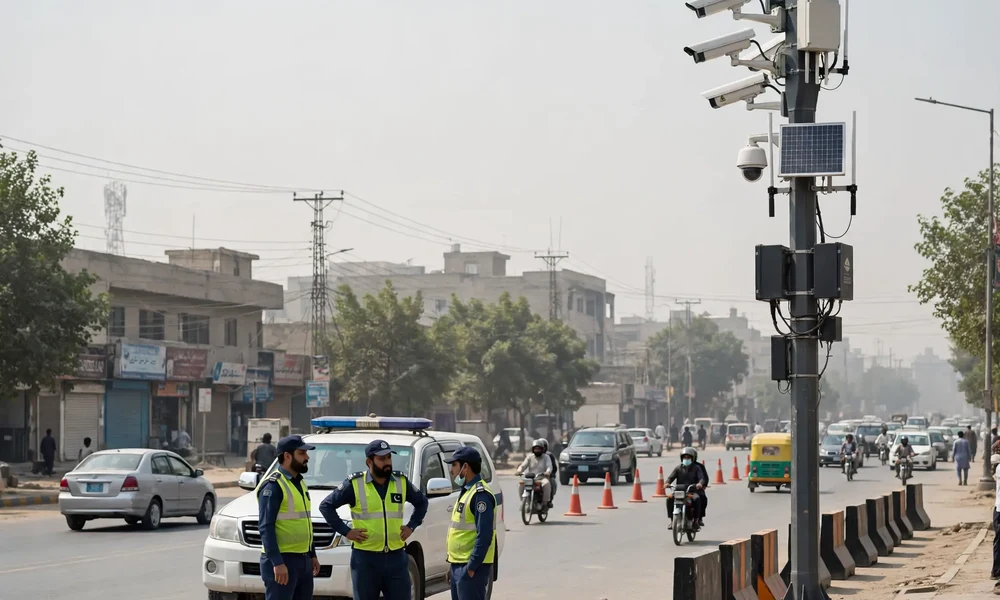
Punjab Police, the Excise and Taxation Department and the Punjab Safe Cities Authority have decided to launch a joint digital crackdown on vehicles with unpaid token tax, unregistered vehicles and vehicles carrying fake number plates. Under the plan, Safe Cities cameras will flag defaulting vehicles and joint checkpoints near camera sites will stop them for checking, replacing random roadside stops with targeted enforcement based on official records.
What has been decided
The three departments will run the operation together. The Punjab Safe Cities Authority will issue alerts to help law enforcement identify vehicles with outstanding dues, and the Excise Department will provide special digital devices to its officers so they can coordinate with Safe Cities staff and check vehicle records during enforcement. Officials have said that billions of rupees in token tax and e-challan payments remain outstanding, and the departments are coordinating to put the joint checkpoint system into effect, with enforcement expected to begin soon.
The plan follows an earlier enforcement announcement from the Excise Department. In late September, Excise officials said a province-wide crackdown on token tax and property tax defaulters would begin on October 1, 2026, and that vehicle owners still in default after September 30 would face recovery of the unpaid token tax along with an equal amount as a penalty. The new digital checkpoint system adds camera-based detection to that enforcement drive.
How the digital checkpoints will work
Joint checkpoints will be established within 200 to 500 metres of Safe Cities cameras. When a camera detects a vehicle flagged in government records for outstanding token tax or another relevant issue, an alert is communicated to the enforcement team at the nearby checkpoint, and officers stop that vehicle to verify its record. Officials have said that only vehicles flagged for outstanding dues will be stopped for further legal action, so motorists with clear records should not face additional stops under this system.
Excise officers at the checkpoints will carry special digital devices linked to the Safe Cities system, allowing them to verify records electronically instead of relying only on physical paperwork. The action taken after a vehicle is stopped will depend on the violation. A driver with unpaid token tax may be required to settle the outstanding amount, while an unregistered vehicle or a fake number plate can involve separate legal action.
Which vehicles will be targeted
The planned enforcement is aimed at vehicles involving issues such as unpaid token tax, unregistered vehicles and fake or problematic number plates. The distinction between the two main kinds of dues matters for owners. Token tax is the annual vehicle tax administered through the Excise system, while e-challans relate to traffic violations recorded by enforcement authorities or Safe Cities cameras. A vehicle owner can therefore have outstanding liabilities under both systems at the same time.
No single province-wide launch date has been specified for the digital checkpoint operation. Authorities have said only that coordinated operations are expected to begin soon, so owners should not wait for a particular date before clearing outstanding dues or correcting registration problems.
What this means for vehicle owners
The practical step for every owner is to check the record before travelling. A free check through the MTMIS Punjab vehicle verification guide shows the registered owner and token tax status of a vehicle. Owners can also check token tax online and check and pay e-challans through the official channels before they are flagged at a checkpoint.
Owners should confirm four things in particular: whether annual token tax is paid, whether the registration details are correct, whether ownership transfer has been completed after any sale, and whether the number plate fitted to the vehicle matches the registered record. Buyers of used vehicles should be especially careful, because completing only a payment or an informal sale agreement does not change the Excise record. Until a proper transfer is completed, fines and liabilities continue to attach to the registered owner.
Key points
- Punjab Police, the Excise Department and the Punjab Safe Cities Authority will run a joint digital crackdown on tax-defaulting vehicles.
- Joint checkpoints will be set up 200 to 500 metres from Safe Cities cameras, and only vehicles flagged in official records will be stopped.
- The targets are unpaid token tax, unregistered vehicles and fake or problematic number plates.
- Excise officers will receive special digital devices to coordinate with Safe Cities staff and verify records at checkpoints.
- Officials say billions of rupees in token tax and e-challan payments remain outstanding.
- No single province-wide launch date has been announced; enforcement is expected to begin soon.
- In a separate earlier announcement, Excise officials said defaulters after September 30, 2026 would face the unpaid token tax plus an equal amount as penalty.
Sources: Bloom Pakistan, 9 October 2026; Trending Pakistan, 10 October 2026; TechJuice, 29 September 2026; Customs Today, September 2026.