Number plate information on MTMIS Punjab: check a plate against its vehicle
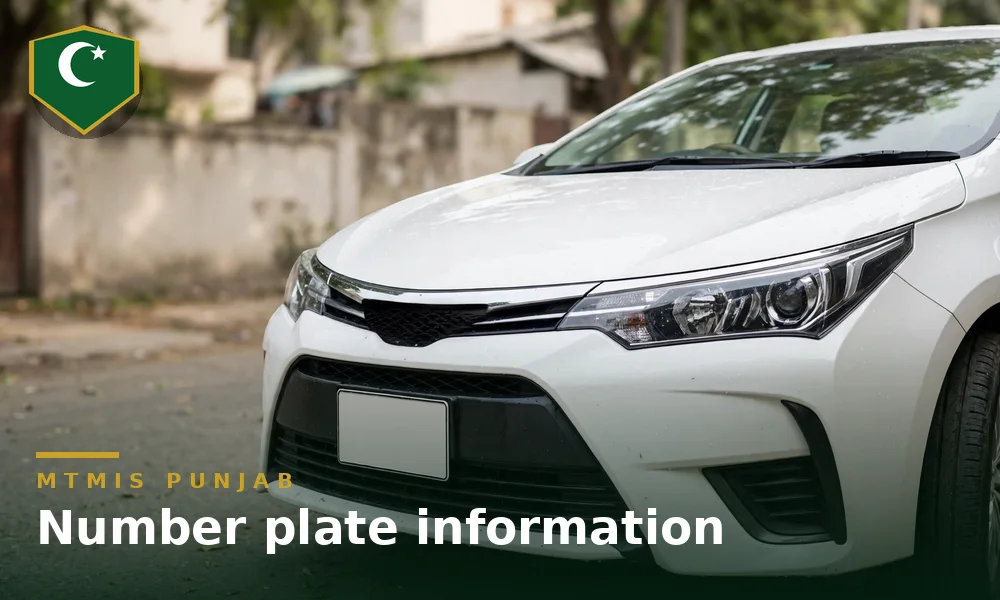
A number plate is a piece of metal that any workshop can copy, and the Number Plate Information tool on the MTMIS Punjab portal exists to test the plate against the vehicle record. The tool takes the registration number and the chassis number together, and the pairing returns the plate details the department holds for that exact vehicle. A plate that belongs to the vehicle passes the check. A plate copied onto another vehicle, swapped between vehicles, or invented outright fails the check, because the chassis number of the carrier never matches the chassis number on the plate record. This guide covers the Number Plate Information tool: the pairing logic, the steps, the reading of the result, and the cases where the check earns a place beside the standard verification.
Table of contents
- What the number plate information tool answers
- Why the chassis number is the second input
- How to check number plate information, step by step
- Number plate information and vehicle verification are different checks
- The cases where the plate check matters most
- Series, district marks and the plate record
- Plate problems the check exposes
What the number plate information tool answers
The standard verification search answers a broad question: what does the record say about this vehicle. The Number Plate Information tool answers a narrow question: does this registration number belong to the vehicle with this chassis number, and what plate details stand against that pairing. The tool sits in the portal menu beside Vehicle Verification and Application Tracking, and the Excise, Taxation and Narcotics Control Department maintains the record behind the tool through the district Motor Registration Authorities (MRAs). A reader runs the plate check where the plate itself is the doubt: a used vehicle with fresh plates, a vehicle whose plates look newer than the vehicle, or a record check after a plate replacement.
Punjab number plate rules 2026 covers the plate standards the check sits inside, including the formats and the plates a vehicle may lawfully carry.
Why the chassis number is the second input
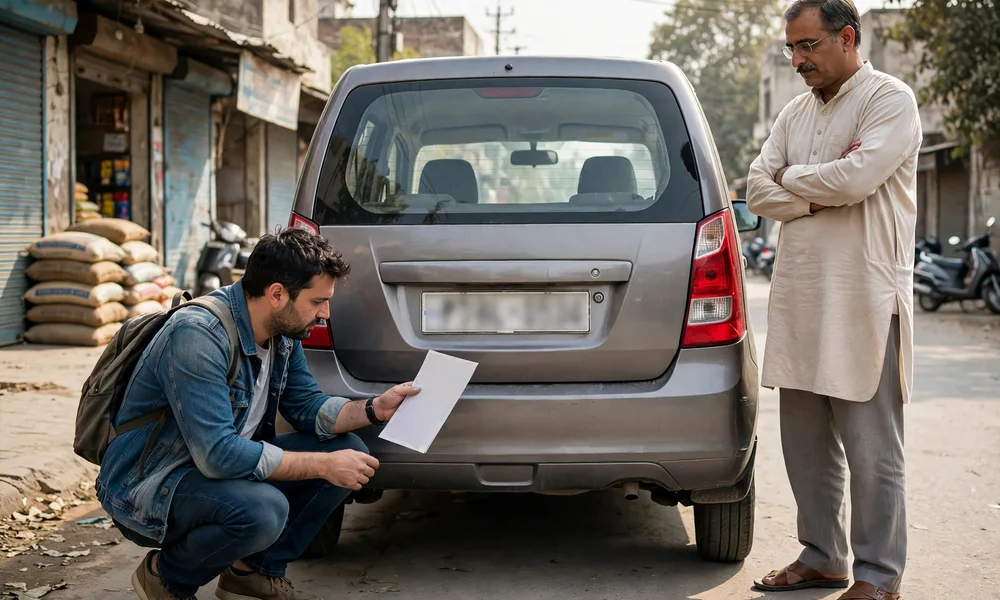
A registration number alone proves nothing about a physical vehicle, because a plate detaches in minutes and copies in an hour. The chassis number answers from the frame of the vehicle, stamped at manufacture, and the frame stamping resists casual copying. The tool binds the two numbers into one query by design. The registration number names the plate record, and the chassis number names the vehicle, and the portal answers only where the record joins the two. The design mirrors the Application Tracking tool, which pairs an application number with the same chassis number for the same reason.
A reader takes the chassis number from the smart card or the registration book, or from the stamping on the frame where the documents are in doubt. The standard verification result never displays the chassis number, so a verification screenshot cannot supply the second input, and that gap is deliberate privacy design rather than a missing feature.
How to check number plate information, step by step
The check runs on the portal in under a minute, and the order below follows the form.
- Open the official portal at mtmis.excise.punjab.gov.pk, the address the Excise department links from its own website.
- Open the Number Plate Information option in the portal menu.
- Enter the registration number exactly as the plate and the documents print the number.
- Enter the chassis number exactly as the card, the book or the frame stamping prints the number.
- Complete the security code the page shows, and submit the search.
- Read the plate details the portal returns for the pairing, and compare the details with the vehicle and the documents in hand.
Portal forms change over time, and a reader follows the fields the page shows where a label differs from the list above. A result that returns nothing after a careful retype of both inputs means the record holds no such pairing, and the cases section below reads that answer.
Number plate information and vehicle verification are different checks
The two tools complement one another, and a careful buyer runs both before payment. Vehicle verification takes the registration number and the registration date, and returns the record: the owner name and city, the make, model and year, the engine number, the token tax position and any live application. Number Plate Information takes the registration number and the chassis number, and returns the plate position for that pairing. The verification tells a buyer what the record claims. The plate check tells a buyer whether the plate on the vehicle belongs to the vehicle under the record. A cloned plate passes a casual glance and fails the pairing, because the clone copies the number and never the chassis.
MTMIS Punjab: the complete guide to online vehicle verification covers the verification side in full, and how to dispute a wrong e-challan in Punjab covers the dispute that follows where a cloned plate has already billed the genuine owner.
The cases where the plate check matters most
Four situations repay the minute the check takes. A used vehicle purchase heads the list: the buyer runs the pairing at the vehicle, with the chassis number read from the frame, before any payment moves. A plate replacement follows: an owner who replaced lost or damaged plates confirms the record carries the pairing correctly after the office work. A correction case comes third: an owner who corrected a record detail rechecks the plate pairing beside the corrected field. A fleet or dealer intake closes the list: a dealer who takes vehicles in volume runs the pairing as a screen against swapped plates before the vehicles enter stock.
Series, district marks and the plate record
A Punjab plate carries more than a number. The letters in a registration number belong to a series, and series run under the district of first registration, so the letters on a plate point at the registering district as a matter of record rather than of guesswork. Older vehicles carry older series formats, and the formats have changed across the years as series filled and new series opened. The plate record behind the tool holds the number as issued: the series, the number and the vehicle the department issued the number to. A reader treats the plate record as the authority on the pairing and treats the look of a plate as weak evidence in either direction. A genuine old plate can look worn, hand-finished and irregular beside a new vehicle, and a copied plate can look factory fresh. The pairing check separates the two cases in a way eyesight never settles, because the chassis number in the query comes from the frame and the answer comes from the issuing record. A buyer who understands that division stops judging plates by appearance and starts judging plates by the record, which is the habit the tool exists to build.
The check also serves an owner with no dispute at all. An owner who inherited a vehicle, bought through a dealer years earlier, or simply never read the record closely runs the pairing once and holds the answer as a baseline. A clean baseline changes later events: a fresh e-challan for a violation the owner never committed reads at once as a cloning case against a known-good pairing, and a correction visit opens with the correct fields already listed. One minute on the portal converts the plate from an assumption into a verified fact on the file of the owner.
Plate problems the check exposes
An empty or mismatched result reads as one of three findings, and each finding carries a next step. A pairing that exists in neither direction points to invented plates on an unregistered or out-of-province vehicle, and a buyer walks away. A number that pairs with a different chassis points to a swapped or cloned plate, and the matter belongs with the MRA and, in a cloning case, with the police on 15. A correct pairing with a wrong detail elsewhere in the record points to a file error, and correct wrong vehicle details on the MTMIS record in Punjab covers the correction route. The department helpline 1035 and the Punjab Information Technology Board (PITB) helpline 0800-08786 route the questions a result raises, and duplicate number plates in Punjab covers the replacement of the physical plates themselves.
Frequently asked questions
Does the number plate information check cost anything?
No. The portal tools carry no fee, and the Number Plate Information check runs free on mtmis.excise.punjab.gov.pk. A website or an agent that charges to unlock plate details sells a free public check.
Can a plate be checked with the registration number alone?
No. The tool pairs the registration number with the chassis number, and the pairing is the substance of the check. The registration number alone drives the standard verification search, which takes the registration date as the second input instead.
Does a passed plate check prove a vehicle is not stolen?
No. A passed check proves the plate belongs to the vehicle on the record, and theft status sits outside the plate record. A buyer with a theft concern uses the police channels, including the Stolen Vehicle Information System line on 8521, beside the portal checks.
Can the plate check expose a cloned number plate?
Yes. A cloned plate copies the registration number onto a different vehicle, and the chassis number of that vehicle never matches the chassis number on the plate record. The pairing fails, and the genuine owner holds the failed pairing as evidence inside an e-challan dispute and a police report.
Does the verification result show the chassis number for this check?
No. The verification result shows the engine number and the other record fields, and no chassis number appears in the result. A reader takes the chassis number from the smart card, the registration book or the stamping on the frame.
Does an out-of-province plate appear in the Punjab plate check?
No. The portal holds Punjab registrations alone, and a vehicle registered in Sindh, Khyber Pakhtunkhwa, Balochistan or Islamabad sits in the record of that registering authority. The plate and the smart card name the authority that owns the record.