Ownership not transferred on MTMIS after a sale: causes and fixes
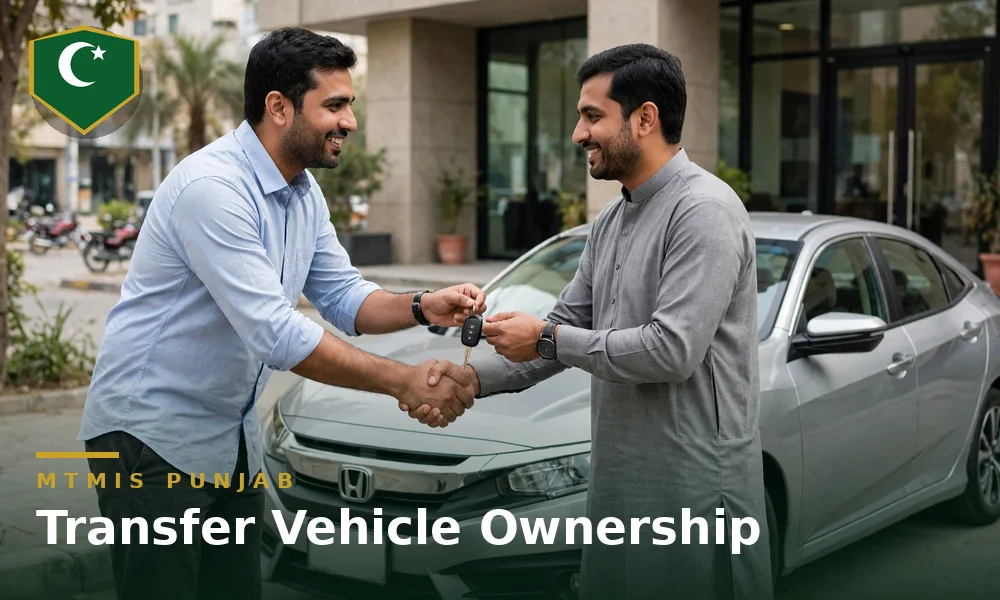
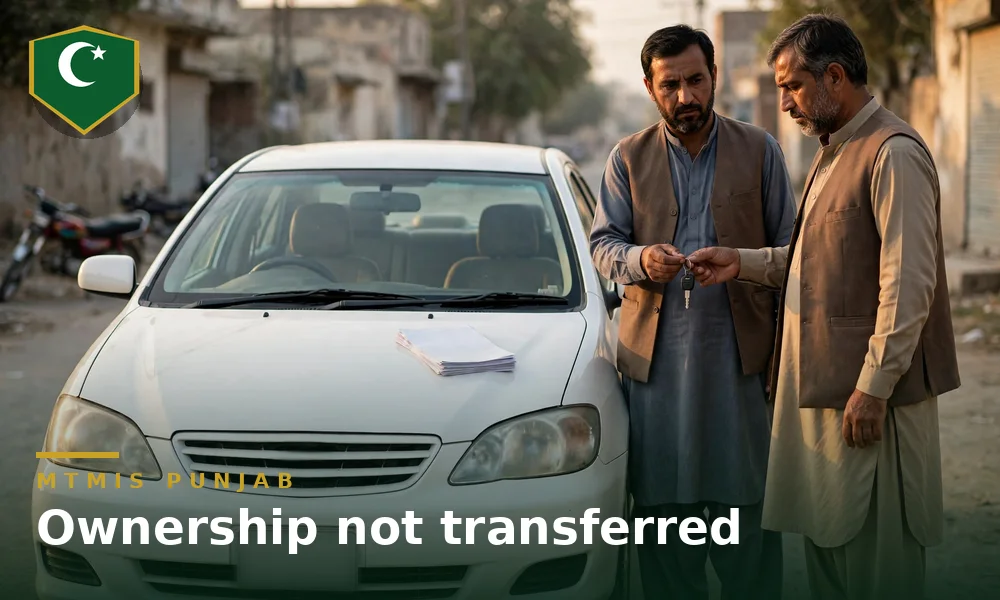
A sale agreement, a payment and a handover change the possession of a vehicle, and none of the three changes the MTMIS Punjab record. The record changes only after the Excise, Taxation and Narcotics Control Department processes a transfer application with biometric verification from the seller and the buyer. A vehicle whose ownership stands untransferred on MTMIS still belongs, on every official screen, to the seller. This guide covers the untransferred ownership in full: the causes, the risks that sit with the seller, the risks that sit with the buyer, and the steps each side takes now to close the transfer.
Table of contents
- Why the record stays with the seller after a sale
- The causes of an untransferred record
- Risks that sit with the seller
- Risks that sit with the buyer
- The fix for the seller
- The fix for the buyer: complete the transfer now
Why the record stays with the seller after a sale
The Motor Registration Authority (MRA) holds one file per vehicle, and the file names one registered owner. A private sale happens outside that file. The file moves only when a transfer application enters the MRA system, carries the fee payment, passes the biometric verification of both parties, and clears processing at the office. The portal at mtmis.excise.punjab.gov.pk prints the file at every stage, so a portal result in the name of the seller proves one fact alone: no processed transfer stands against the vehicle yet. The delay between a completed application and the updated record is a processing matter, and wrong owner name on the MTMIS record: how to fix it in Punjab separates that case from a transfer that never started.
The causes of an untransferred record
Five causes account for nearly every untransferred record, and each cause carries a different fix.
- An open letter sale. The parties signed a transfer letter and skipped the office entirely, a practice the department ended in favour of biometric transfer. The record never moved, and no application exists.
- A missing biometric from one side. The seller verified and the buyer never attended, or the reverse. A transfer application waits incomplete, because biometric verification binds both parties to the change.
- An application filed and left unprocessed. The fee stands paid and the file waits at the office with an objection, a missing document or a simple queue delay.
- Unpaid dues against the vehicle. Outstanding token tax or a blocked record holds the transfer until the dues clear.
- A buyer who delays by choice. The buyer drives on the documents of the seller and postpones the fee and the visit, sometimes across a second resale, and every month of delay compounds the problem for both sides.
A chain of unrecorded owners grows out of the last cause. The first buyer sells onward without a transfer, the second buyer does the same, and the vehicle accumulates owners that no record names. Every link in the chain relies on the first registered owner for the biometric step that starts a clean transfer, and that owner grows harder to reach as the chain lengthens. Dealers hold vehicles inside the same pattern during stock turnover, and a dealer sale out of an untransferred holding passes the chain to a retail buyer who discovers the position at the first verification. The chain breaks at one point only: a completed transfer by the registered owner into the name of the current holder, with every intermediate sale documented as evidence along the way. Both sides of any fresh sale prevent a new chain with one discipline: the transfer application enters the MRA system in the same week as the payment, and the receipt of that application, rather than the sale agreement alone, marks the true close of the deal.
Risks that sit with the seller
The seller carries the heavier side of the risk, because every official system reads the record and stops at the registered owner. Camera e-challans for violations by the buyer issue against the vehicle and reach the seller as the owner on the record. A police enquiry after an accident or an offence involving the vehicle starts with the registered owner. Token tax demands and record notices continue to the address and the name on the file. The seller holds a sale agreement and a payment trail as a defence, and that defence answers an enquiry after the fact. The defence never prevents the enquiry, and the seller spends time and money proving a sale that a completed transfer would have made self-evident.
Risks that sit with the buyer
The buyer holds the vehicle and holds no title on the record, and that gap closes doors in sequence. The buyer cannot resell the vehicle cleanly, because the next buyer runs the same verification and finds a stranger on the record. The buyer cannot correct the record, claim a duplicate document with ease, or settle any file matter that belongs to the registered owner. An insurer reads the record at a claim. A second sale on an open letter lengthens the chain of unrecorded owners, and the original seller at the head of the chain becomes harder to find with every link. The buyer also inherits the practical burden of locating the seller for biometric verification months or years after the sale, at an address and a phone number that may no longer answer.
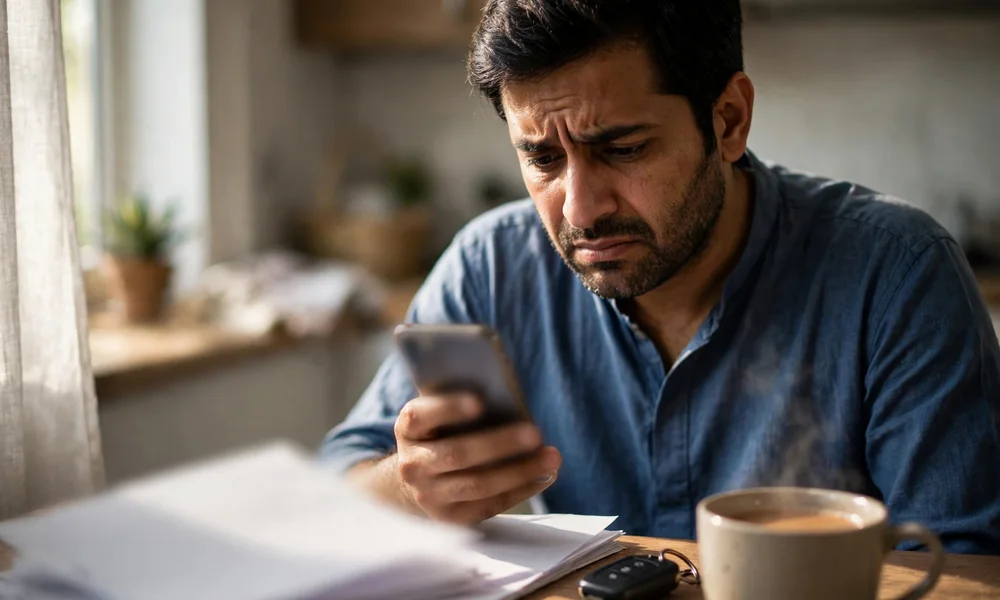
Time hardens every side of the position. The seller sells a house, changes a phone number, or moves abroad, and the buyer loses the one person whose biometric step unlocks the transfer. The buyer, on the other side, faces a seller whose circumstances change in the same ways. A record that waits a season becomes a record that waits years, and the file of sale evidence that answers enquiries grows harder to assemble as receipts fade and messages delete themselves. Both sides hold the remedy in the first week and pay for the delay in every later week, which is why the department built the biometric transfer as a same-visit discipline rather than an optional closing step.
The fix for the seller
A seller with an untransferred vehicle acts on documents first and on the buyer second. The seller assembles the sale agreement, the payment proof and any transfer letter copies into one file, because that file answers every enquiry in the meantime. The seller then contacts the buyer in writing and fixes a date for the joint biometric and the MRA visit, and keeps the written exchange. A buyer who refuses or disappears leaves the seller with the department route: the seller presents the sale documents at the MRA of registration, places the facts on the office record, and takes the guidance of the office on the notice process for the vehicle. The helplines 1035 and 0800-08786 route the first call, and the head office at Transport House, 11-A Egerton Road, Lahore carries an escalation. Open letter vehicle transfer in Punjab covers the open letter position in depth for a seller inside that exact case.
The fix for the buyer: complete the transfer now
The buyer closes the case with the standard transfer, and transfer of vehicle ownership in Punjab carries the full procedure. The short order runs as follows.
- Run the verification on the portal and confirm the record, the dues position and the seller name.
- Contact the seller and fix one appointment for biometric verification and the MRA visit.
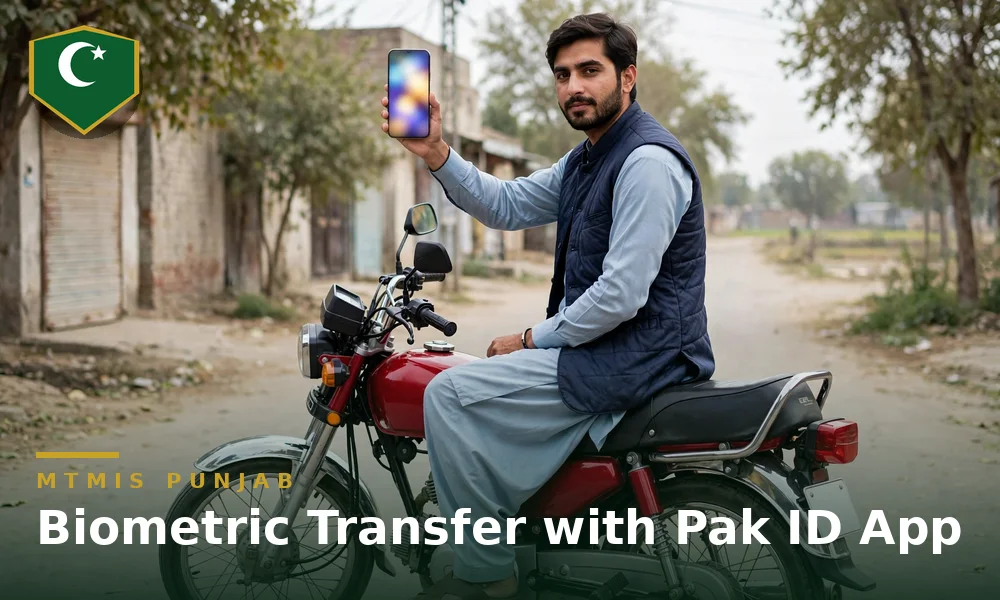
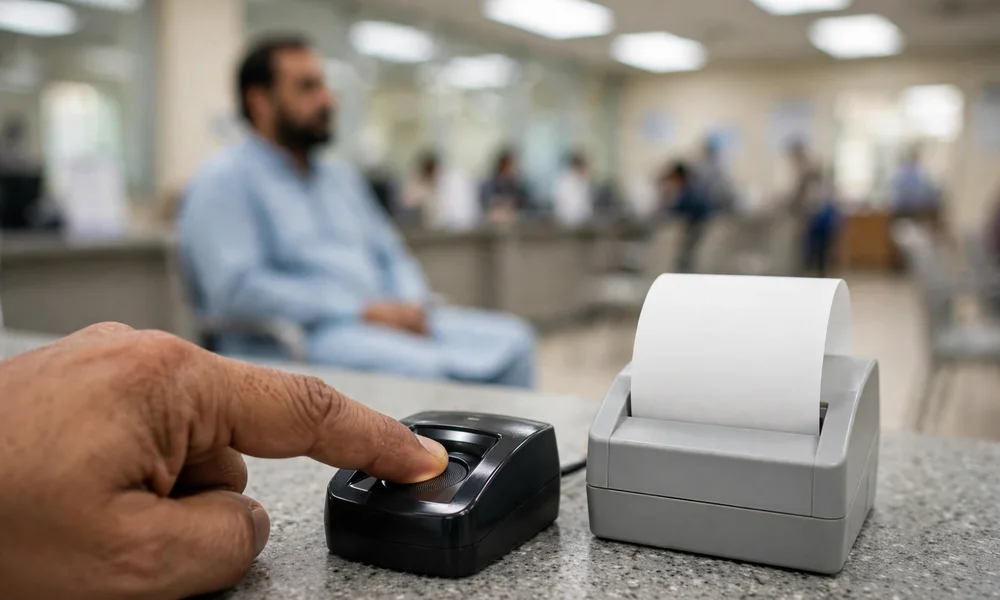
- Complete biometric verification for both parties at the facilitation centre, the e-Sahulat point or the Pak-ID app route where the case qualifies, as biometric vehicle transfer through the Pak-ID app explains.
- File the transfer application at the MRA of registration with the documents the transfer guide lists, and pay the transfer fee: Rs 910 for a motorcycle, Rs 4,540 for a car up to 1000cc, Rs 9,075 for a car from 1001cc to 1800cc, and Rs 18,150 for a car over 1800cc.
- Keep the application receipt, and follow the file on the portal Application Tracking tool until the record moves.
- Recheck the verification result and confirm the record prints the name of the buyer.
A fresh smart card follows the processed transfer at Rs 1,300. The transfer closes the risk for both sides at the same moment, and no shorter route exists, because the record respects the processed application alone.
Frequently asked questions
Does a sale agreement transfer ownership on MTMIS?
No. A sale agreement records the private bargain between the seller and the buyer, and the MTMIS record changes only after the department processes a transfer application with biometric verification from both parties. The portal names the seller until that processing completes.
Can a buyer complete the transfer without the seller?
No. Biometric verification binds the seller to the transfer, and the application cannot complete on the documents of the buyer alone. A buyer who cannot reach the seller takes the documents to the MRA of registration and follows the office route for an absent seller.
Do e-challans of the buyer reach the seller of an untransferred vehicle?
Yes. Camera challans issue against the vehicle record, and the record names the seller until a transfer processes. The seller answers with the sale agreement and the payment proof, and the permanent fix is the completed transfer, as the dispute guide at how to dispute a wrong e-challan in Punjab explains.
Can a buyer resell a vehicle that stands in the name of the seller?
No. A clean resale needs the record in the name of the person selling, and a buyer further down the chain finds a stranger on the verification result. The first buyer completes the transfer into the correct name before any resale.
Does an open letter protect the seller or the buyer?
No. An open letter carries no standing against the record, and the department replaced the practice with biometric transfer. The letter serves only as one piece of sale evidence inside the file of the seller, beside the agreement and the payment proof.
Does the record update on the same day as the biometric verification?
No. Biometric verification completes one stage of the application, and the record updates after the MRA processes the full application. The applicant follows the file through the portal Application Tracking tool and rechecks the verification result after processing.